SmartProperty® helps Illinois condominiums and HOAs plan and fund their reserves. Condo budgets must already provide for reasonable reserves. A proposed bill that has stalled would add a five-year study cycle.
“Reasonable reserves”Condo budgets must provide for them under 765 ILCS 605/9(c)(2)
2/3 voteOwners can waive reserves, and the waiver must be disclosed to buyers in bold print
Jan 4, 2027Fannie Mae’s 15% reserve minimum takes effect for condo loans
WHAT ILLINOIS REQUIRES
Reasonable reserves are required. A study is how you prove it.
The Condominium Property Act sets a reasonable-reserves standard for condo boards, and House Bill 2563 would go further but has not been enacted. Our guide covers the condo act in detail and the HOA act only through that bill.
CONDOMINIUMS · 765 ILCS 605/9(C)
Reasonable reserves, with a waiver
Section 9(c)(2) requires budgets adopted on or after July 1, 1990 to provide for reasonable reserves for capital expenditures and deferred maintenance.
The board must weigh repair and replacement cost, estimated useful life, estimated remaining useful life and the financial impact on owners.
Section 9(c)(3) lets the association waive reserves in whole or in part by a two-thirds vote of all votes.
A waiver must be disclosed in the financial statements, in bold print, to prospective purchasers.
PROPOSED · HOUSE BILL 2563
A five-year study cycle, not law
As of October 2026 the bill has not been enacted. It was re-referred to the House Rules Committee and appears stalled.
It would amend the Condominium Property Act and the Common Interest Community Association Act to require a reserve study every 5 years for associations with major shared components costing over $10,000 to replace.
Associations with no study on or after January 1, 2024 would need one by January 1, 2028.
Studies would have to be done by a qualified person, which rules out board members doing it themselves.
Our reading is that a board can’t calculate useful life and replacement cost on the back of a napkin. A professional study supplies those figures and supports the board’s reasonable-care defense.
Freeze-thaw and de-icing salt
Water freezing in micro-cracks speeds up concrete spalling, and chloride de-icers damage parking decks and walkways. Our guide says a national template for concrete life can be wrong in Chicago or Peoria.
A waiver is a flag to buyers and lenders
Voting to waive reserves means a bold-print disclosure to every buyer. If a condo can’t show a study or an engineering report, our guide notes it may be classed as unavailable, and buyers can’t get loans.
HOW SMARTPROPERTY HELPS
Compliance is the floor. Funding stability is the goal.
Full reserve studies and updates
A site-inspected study to start, then updates as costs and conditions change, so the board always has a current plan.
A plan that stays current
The Living Reserve Study® updates as projects are completed and costs change, so your plan is ready for the next update or budget.
Funding options the board can compare
Model higher contributions, special assessments, loans or lines of credit side by side before you take a recommendation to owners.
Numbers you can explain
Atlas shows the cost data and useful-life assumptions behind every figure, so boards can answer owner questions with confidence.
TALK WITH SMARTPROPERTY ABOUT ILLINOIS
Get your Illinois reserve plan on solid ground.
See how the Living Reserve Study® works for your community, or tell us about your association and we’ll put together a proposal.
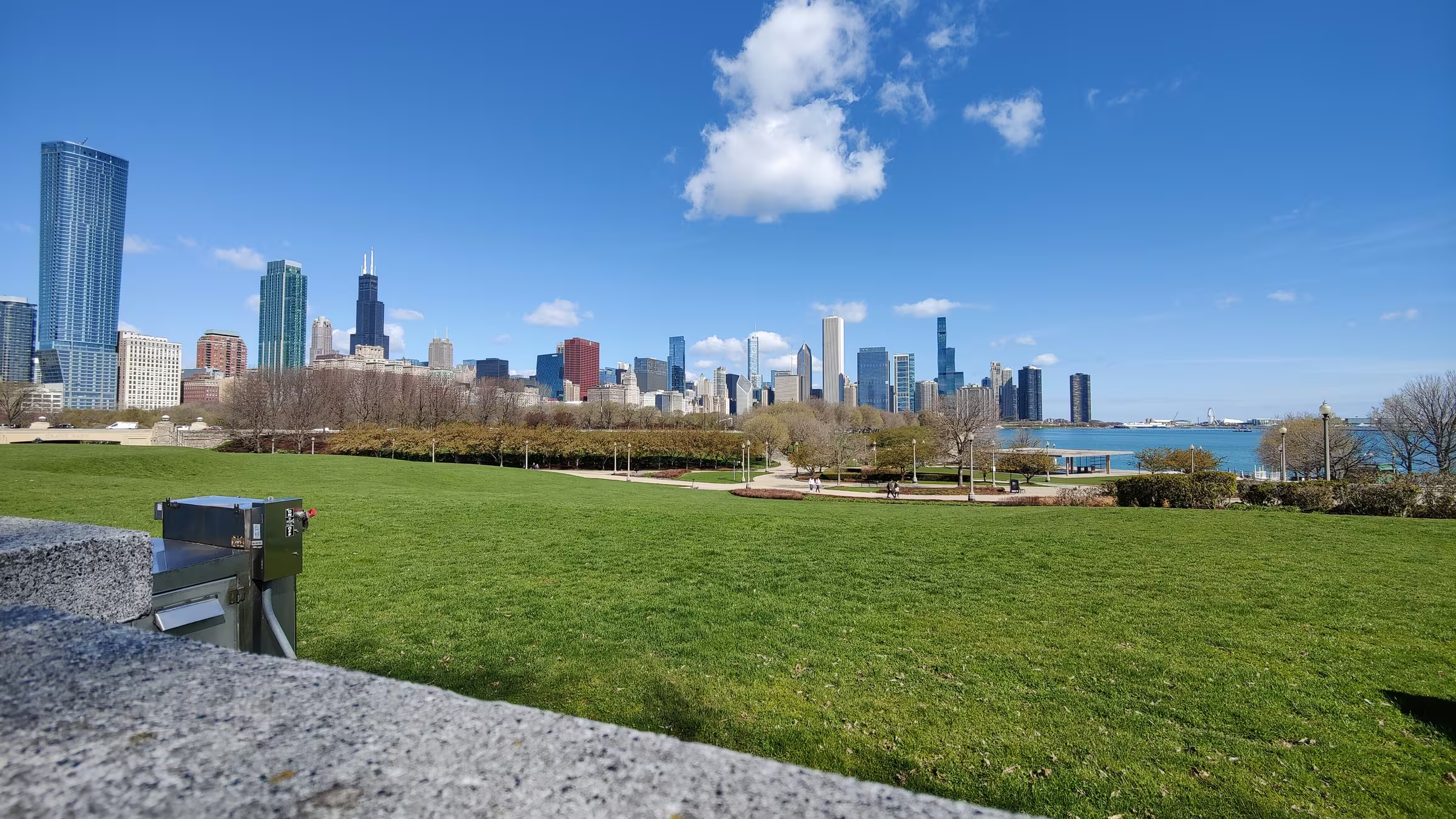
Photo via Wikimedia Commons: Chicago skyline: Gianaccordi, CC BY 4.0. Illinois law summary is not legal advice. Confirm your association’s obligations with Illinois counsel.