SmartProperty® helps New Hampshire condominium associations plan and fund their reserves. State law doesn’t spell out a study requirement, but it does require boards to explain the basis for their reserves and disclose coming expenses at resale. A study is how you back that up.
Jan 4, 2027Fannie Mae’s 15% reserve minimum takes effect for condo loans
30 daysTo give owners a budget summary and the basis for reserves after adoption (RSA 356-B:40-c)
No mandateNew Hampshire law has no explicit reserve study requirement
WHAT NEW HAMPSHIRE REQUIRES
No study mandate. Plenty of disclosure.
Our guide covers the New Hampshire Condominium Act, RSA 356-B. It leaves the study to the board, then requires the board to show its work to owners and buyers.
RSA 356-B:40-c · BUDGET DISCLOSURE
The board has to state the basis for reserves
Within 30 days after adopting a proposed budget, the board must give owners a summary that includes any reserves.
It must also include a statement of the basis on which those reserves are calculated and funded.
No study or minimum funding level is set by the statute.
RSA 356-B:58 · RESALE CERTIFICATE
Buyers see the reserve and what’s coming
The association must state the status and amount of any reserve for major maintenance or replacement.
It must also disclose capital and major maintenance expenditures anticipated in the current or succeeding 2 fiscal years.
The statute doesn’t require a study, so the board has to know its components to answer accurately.
A reserve basis you can’t show is a reserve basis you can’t defend.
Guesswork isn’t a basis
Funding reserves because it’s what the board did last year doesn’t explain how reserves are calculated. A study gives the board a documented basis for owners, buyers and any later claim of breached duty.
Frost and ice shorten useful lives
Our guide points to frost heaves, ice dams, road salt and septic systems as reasons to adjust useful lives for New Hampshire rather than rely on national averages. Pavement is a common first casualty.
Resale disclosure meets lender review
Buyers see your reserve and anticipated projects, and lenders review the same budget. Fannie Mae’s 15% reserve minimum applies to condo loans dated on or after January 4, 2027, or the budget must fund a current study’s highest recommended contribution.
HOW SMARTPROPERTY HELPS
Compliance is the floor. Funding stability is the goal.
Full reserve studies and updates
A site-inspected study to start, then updates as costs and conditions change, so the board always has a current plan.
A plan that stays current
The Living Reserve Study® updates as projects are completed and costs change, so your plan is ready for the next update or budget.
Funding options the board can compare
Model higher contributions, special assessments, loans or lines of credit side by side before you take a recommendation to owners.
Numbers you can explain
Atlas shows the cost data and useful-life assumptions behind every figure, so boards can answer owner questions with confidence.
TALK WITH SMARTPROPERTY ABOUT NEW HAMPSHIRE
Get your New Hampshire reserve plan on solid ground.
See how the Living Reserve Study® works for your community, or tell us about your association and we’ll put together a proposal.
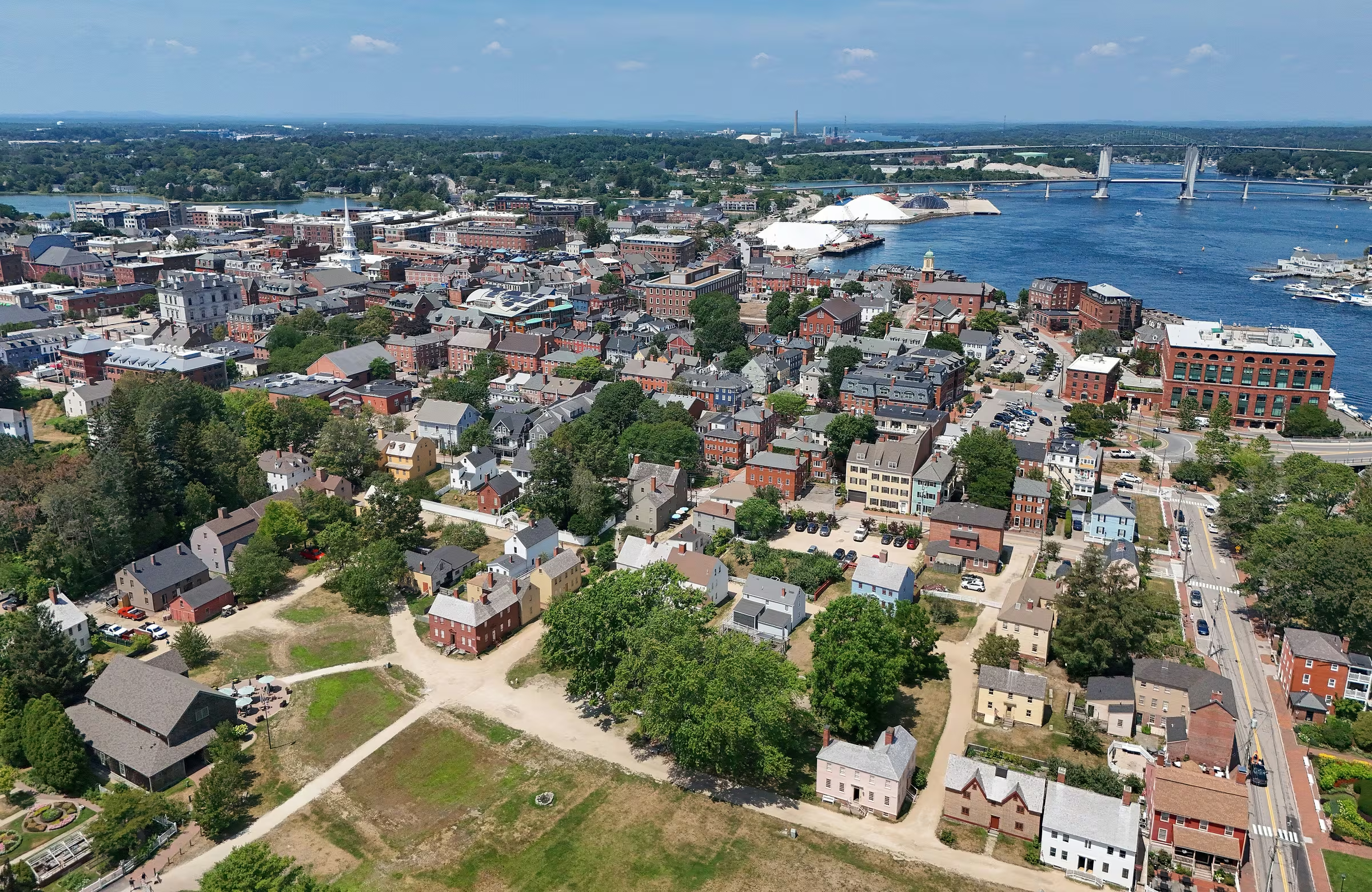
Photo via Wikimedia Commons: Portsmouth: Quintin Soloviev, CC BY 4.0. New Hampshire law summary is not legal advice. Confirm your association’s obligations with New Hampshire counsel.