SmartProperty® helps South Carolina condominiums and HOAs plan and fund their reserves. South Carolina doesn’t require a study, but a failure to establish a reserve fund has already been the subject of insurance litigation, and a documented plan is the board’s best protection.
No mandateSouth Carolina law doesn’t require a reserve study or a minimum balance
WHAT SOUTH CAROLINA REQUIRES
No mandate in the statute. Exposure in the courtroom.
South Carolina leaves reserve decisions to the association. The board’s fiduciary duty and the cost of a failed component are what make planning worth doing.
HORIZONTAL PROPERTY ACT · CONDOMINIUMS
A framework, not a funding rule
The South Carolina Horizontal Property Act governs condominiums and provides a framework for the association.
It doesn’t mandate ongoing reserve studies or specific funding levels.
Our guide describes HOAs the same way: no state law requires established associations to study or fund reserves.
FIDUCIARY DUTY · PULLIAM V. TRAVELERS INDEMNITY COMPANY
Ordinary prudence, and a case that shows the risk
Board members must act in good faith, with loyalty, and with the care an ordinarily prudent person would exercise.
Pulliam v. Travelers Indemnity Company dealt with insurance coverage for claims against an association for, among other things, failing to establish a reserve fund.
The case shows that failing to plan for reserves can lead to legal action against the association.
Without a statute to follow, the board needs its own record.
Reserve failures can reach the courthouse
If a roof, siding or pool system fails and a large special assessment follows, owners can sue for negligence and breach of fiduciary duty. A study shows the board acted on expert analysis, not guesswork.
Lenders decide who can buy
An association with no study and weak reserves can land on a lender’s ineligible list, which limits buyers to cash. Fannie Mae’s 15% minimum applies to condo loans dated on or after January 4, 2027.
Studies need to stay current
For lenders, a study counts only if it was completed or updated within the past three years and the budget funds its highest recommended contribution. Baseline funding is no longer accepted.
HOW SMARTPROPERTY HELPS
Compliance is the floor. Funding stability is the goal.
Full reserve studies and updates
A site-inspected study to start, then updates as costs and conditions change, so the board always has a current plan.
A plan that stays current
The Living Reserve Study® updates as projects are completed and costs change, so your plan is ready for the next update or budget.
Funding options the board can compare
Model higher contributions, special assessments, loans or lines of credit side by side before you take a recommendation to owners.
Numbers you can explain
Atlas shows the cost data and useful-life assumptions behind every figure, so boards can answer owner questions with confidence.
TALK WITH SMARTPROPERTY ABOUT SOUTH CAROLINA
Get your South Carolina reserve plan on solid ground.
See how the Living Reserve Study® works for your community, or tell us about your association and we’ll put together a proposal.
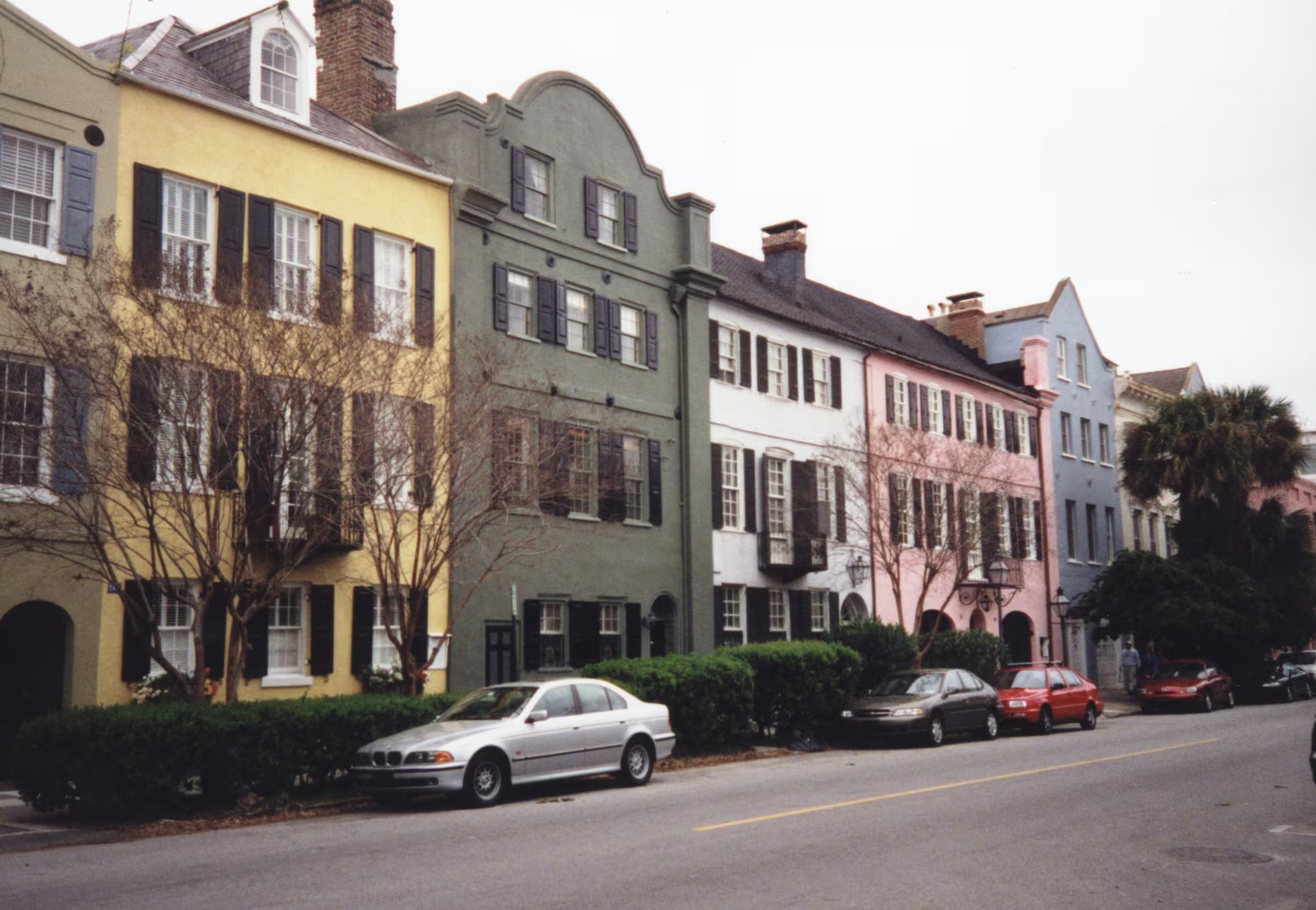
Photo via Wikimedia Commons: Rainbow Row: Andreas Hörstemeier, CC BY-SA 3.0. South Carolina law summary is not legal advice. Confirm your association’s obligations with South Carolina counsel.