SmartProperty® helps Wisconsin condominium associations plan around Wis. Stat. § 703.163, which sets up a statutory reserve account unless owners vote to end it. Wisconsin doesn’t require a study, but an association that opts out has to say so on the record, and a study is how a board backs up its numbers.
Nov 1, 2004Condos created on or after this date get a statutory reserve account by default
Majority of unit votesOwners can end the account, but must record how repairs will be funded
Jan 4, 2027Fannie Mae’s 15% reserve minimum takes effect for condo loans
WHAT WISCONSIN REQUIRES
A reserve account by default. An opt-out in public view.
Our guide covers condominiums under Chapter 703, not HOAs. The statute sets up the account, lets owners opt out and requires a recorded statement either way.
WIS. STAT. § 703.163 · STATUTORY RESERVE ACCOUNT
A default account with an opt-out
For condominiums created on or after November 1, 2004, the declarant shall establish a statutory reserve account.
The declarant may elect not to, if it executes a disclosure statement. After owners take control, the association may terminate the account with the written consent of a majority of the unit votes.
A recorded Statutory Reserve Account Statement (§ 703.163(1)(c)) must say whether an account exists.
If none exists, it must explain how future repair and replacement of common elements is expected to be funded.
§ 703.163(7) · § 703.163(8) · FACTORS AND LIMITS
What to weigh, and how funds may be used
In setting reserve assessments, the association must consider the estimated cost of repair or replacement, the remaining useful life of common elements and the share of costs the reserve will cover.
The statute doesn’t use the words “reserve study.” In our reading, weighing those factors takes the same data a study produces.
Reserve funds are limited to repair and replacement of common elements, not routine maintenance, unless two-thirds of owners vote to allow it.
An association with no account must record how it expects to fund future repairs. Buyers and their attorneys read that statement, so a funded account backed by a study reads very differently.
Freeze-thaw and salt wear pavement and masonry
Repeated freezing and thawing, plus road salt, can shorten the life of asphalt, concrete and brick. Useful lives should reflect Wisconsin conditions, not national averages.
Ice dams and sub-zero boilers
Heavy snow and ice damming can force water under roofing, and boilers work hardest in cold snaps. A study can plan for those components and for redundancy in critical equipment.
HOW SMARTPROPERTY HELPS
Compliance is the floor. Funding stability is the goal.
Full reserve studies and updates
A site-inspected study to start, then updates as costs and conditions change, so the board always has a current plan.
A plan that stays current
The Living Reserve Study® updates as projects are completed and costs change, so your plan is ready for the next update or budget.
Funding options the board can compare
Model higher contributions, special assessments, loans or lines of credit side by side before you take a recommendation to owners.
Numbers you can explain
Atlas shows the cost data and useful-life assumptions behind every figure, so boards can answer owner questions with confidence.
TALK WITH SMARTPROPERTY ABOUT WISCONSIN
Get your Wisconsin reserve plan on solid ground.
See how the Living Reserve Study® works for your community, or tell us about your association and we’ll put together a proposal.
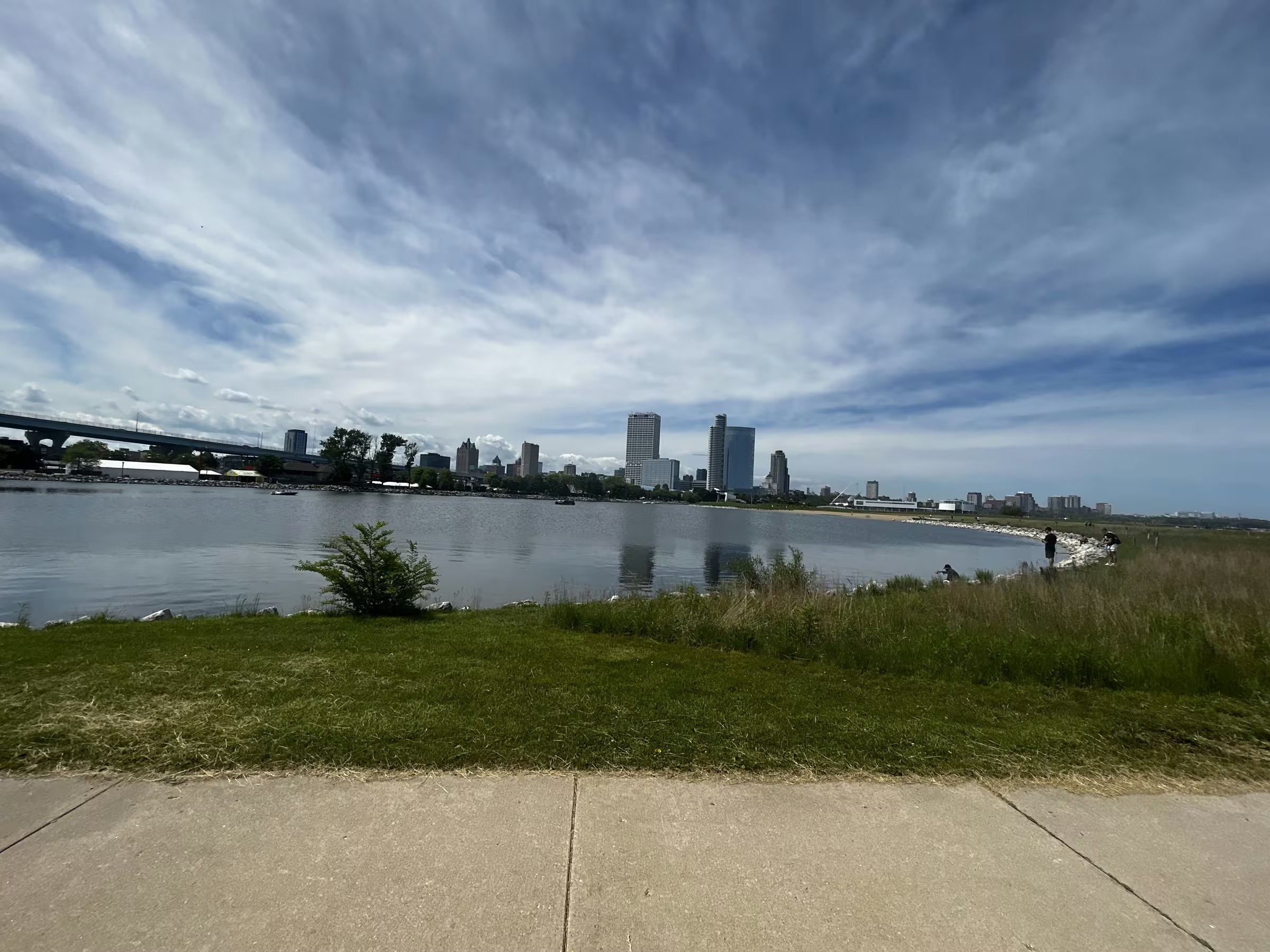
Photo via Wikimedia Commons: Milwaukee skyline: SecretName101, CC BY 4.0. Wisconsin law summary is not legal advice. Confirm your association’s obligations with Wisconsin counsel.